
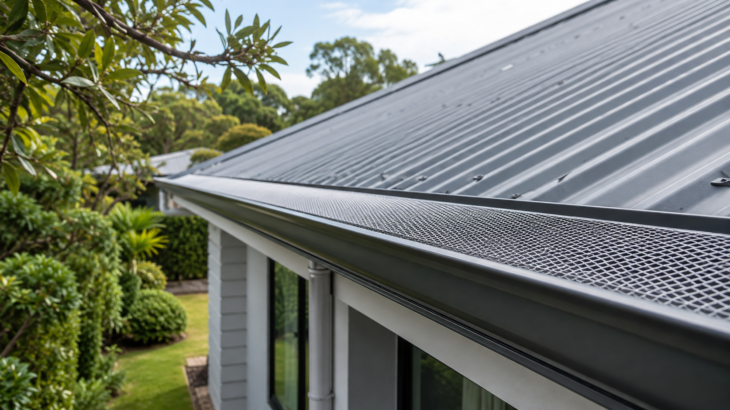
Keeping roof drainage clear can be easier with a properly fitted leaf stopper designed to limit the amount of loose material entering the gutter. The right solution should suit the roof shape, surrounding trees and local rainfall conditions. A quality leaf mesh may help reduce ongoing build-up while still allowing rainwater to reach the drainage system. However, product selection is only one part of effective roof maintenance. Securely installed gutter mesh can support cleaner gutters and easier upkeep when combined with regular inspections and sensible vegetation management.
Gutters play an important role in directing water away from walls, foundations and high-use outdoor areas. When they become blocked, water can spill over the edge, pool near the building or move beneath roofing materials. Protecting the system from debris can reduce these risks while making seasonal cleaning more manageable.
Understand What Is Entering the Gutters
Different homes face different debris problems. A property surrounded by large deciduous trees may collect broad leaves, while homes near native vegetation can experience fine twigs, seed pods, bark and smaller fragments.
The type of material falling onto the roof should influence the chosen barrier. Large openings may block bigger items but allow finer debris to pass through. Very fine screening can stop smaller particles, although the surface may require occasional cleaning if dust and organic material begin to accumulate.
Roof pitch also affects how debris moves. Steeper roofs may allow loose material to slide towards the edge, while flatter sections can hold leaves for longer. Valleys, roof corners and areas beneath overhanging branches often collect the greatest amount of material.
Observing the roof after wind, rain and seasonal leaf fall can help homeowners identify where protection is most needed. This practical assessment is often more useful than selecting a product based only on appearance.
Protect Water Flow During Heavy Rain
The main purpose of a gutter is to manage rainwater, so any added barrier must allow enough water to pass through during storms. A poorly chosen or incorrectly fitted system may cause water to move across the surface instead of entering the gutter.
The roof area, rainfall intensity, downpipe capacity and gutter size all influence performance. Homes in regions with heavy seasonal rain may require a solution designed for higher water volumes.
The installation angle can also make a difference. A barrier that follows the roofline may encourage loose material to move away naturally. Flat sections can sometimes retain wet leaves, creating a temporary layer that restricts drainage.
After installation, the system should be observed during rainfall where it is safe to do so. Overflow, unusual dripping or water running behind the gutter may indicate that adjustments are required.
Select a System That Suits the Roof
Roof materials and profiles vary considerably between homes. Tiled roofs, corrugated metal roofs and complex rooflines may require different fastening methods and installation details.
A suitable system should sit securely without damaging roofing materials or lifting during strong winds. Loose edges can create openings that allow debris, birds or pests to enter. They may also become noisy or unstable during severe weather.
Material compatibility should be considered as well. Roofs, gutters and fasteners can be made from different metals, and unsuitable combinations may contribute to corrosion under certain conditions. Professional advice can help homeowners avoid materials that may react poorly when exposed to moisture.
Colour and visibility may also matter, particularly when the roofline can be seen clearly from the street. A well-matched finish can create a cleaner appearance without drawing unnecessary attention to the installation.
Reduce Debris Before It Reaches the Roof
Gutter protection works best when the surrounding property is also maintained. Overhanging branches can deposit large amounts of organic material directly onto the roof and may cause damage during storms.
Appropriate pruning can reduce this problem, but tree work should be completed safely and in line with local requirements. Large branches or trees near powerlines should be managed by qualified professionals.
Loose debris should also be cleared from nearby patios, sheds and roof sections where it can be carried by wind. Reducing the amount of material around the home can make the roof system easier to maintain throughout the year.
In bushfire-prone areas, vegetation management may also form part of broader property preparation. Homeowners should follow current guidance from relevant local authorities rather than relying on gutter protection alone.
Continue Regular Inspections
No barrier removes the need for maintenance completely. Fine debris can still collect over time, and leaves may remain on top of the system after wet weather.
Regular inspections can identify trapped material, loose fixings, corrosion and signs of overflow. The frequency will depend on the property, nearby vegetation and seasonal conditions. Homes surrounded by dense trees may need more attention than properties in open areas.
Downpipe outlets should also be checked because small particles can gradually move through the gutter and create blockages. Water backing up near an outlet may be an early sign that cleaning is needed.
Roof access can be dangerous, particularly when surfaces are wet, steep or damaged. Homeowners should avoid climbing onto the roof unless they have the correct safety equipment and experience. A qualified professional can complete inspections where access is difficult or unsafe.
Consider Installation Quality
Even a strong product may perform poorly when it is not fitted correctly. Gaps, uneven sections and weak fastenings can reduce protection and allow material to enter around the edges.
Professional installation may be particularly valuable for multi-storey homes, complex roofs and properties with limited access. An experienced installer can assess the roof profile, drainage capacity and likely debris load before recommending a suitable approach.
Homeowners considering a do-it-yourself project should carefully follow the manufacturer’s guidance. They should also confirm that installation will not affect roof warranties or damage tiles, flashing and drainage components.
The finished system should support water flow, remain stable in changing weather and allow future access for maintenance or repairs.
Make Roof Maintenance More Manageable
Effective gutter protection is not about eliminating every leaf or avoiding roof maintenance indefinitely. Its practical purpose is to reduce debris build-up, protect water flow and make ongoing care easier.
The best results come from choosing a system that suits the roof, surrounding vegetation and local weather. Regular inspections, responsible tree management and timely repairs remain important after installation.
With the right combination of protection and maintenance, homeowners can reduce blockages, support safer drainage and help prevent avoidable water damage around the property.




























 Like it or not, you must have a resume listing your artistic accomplishments available to the public when you’ve got an
  In my view, one of the worse reactions somebody can have when viewing your artwork is to say, “I love the frame that you put on this bit.” Thank you, but did you happen to observe the painting in the center of the frame? If that’s ever happened to you, do not blame the viewer, but begin reconsidering your framing options. The frame you choose should present your work without drawing attention. In my view, you should not waste your money or time picking a mat or frame as you think it looks impressive.


 It had been mid-2015 and Marc believed the cavernous warehouse’s rooms, with their towering red gum beams, exposed wood joists and concrete flooring, had too much character to be kept behind closed doors.