
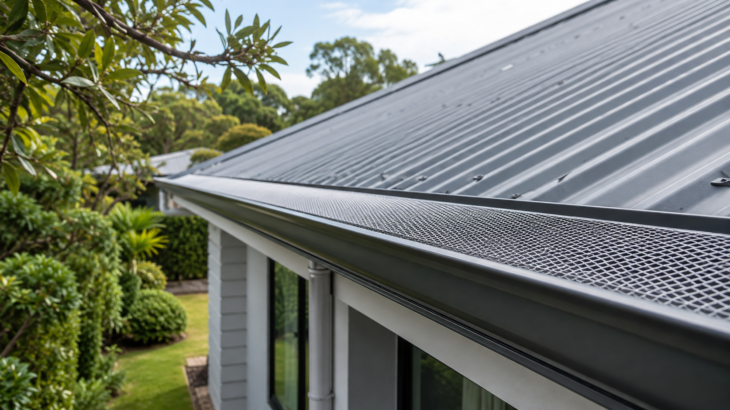
Rainwater flowing through a protected gutter

How to Improve Gutter Protection at Home

Keeping roof drainage clear can be easier with a properly fitted leaf stopper designed to limit the amount of loose material entering the gutter. The right solution should suit the roof shape, surrounding trees and local rainfall conditions. A quality leaf mesh may help reduce ongoing build-up while still allowing rainwater to reach the drainage system. However, product selection is only one part of effective roof maintenance. Securely installed gutter mesh can support cleaner gutters and easier upkeep when combined with regular inspections and sensible vegetation management.

Gutters play an important role in directing water away from walls, foundations and high-use outdoor areas. When they become blocked, water can spill over the edge, pool near the building or move beneath roofing materials. Protecting the system from debris can reduce these risks while making seasonal cleaning more manageable.

Understand What Is Entering the Gutters

Different homes face different debris problems. A property surrounded by large deciduous trees may collect broad leaves, while homes near native vegetation can experience fine twigs, seed pods, bark and smaller fragments.

The type of material falling onto the roof should influence the chosen barrier. Large openings may block bigger items but allow finer debris to pass through. Very fine screening can stop smaller particles, although the surface may require occasional cleaning if dust and organic material begin to accumulate.

Roof pitch also affects how debris moves. Steeper roofs may allow loose material to slide towards the edge, while flatter sections can hold leaves for longer. Valleys, roof corners and areas beneath overhanging branches often collect the greatest amount of material.

Observing the roof after wind, rain and seasonal leaf fall can help homeowners identify where protection is most needed. This practical assessment is often more useful than selecting a product based only on appearance.

Protect Water Flow During Heavy Rain

The main purpose of a gutter is to manage rainwater, so any added barrier must allow enough water to pass through during storms. A poorly chosen or incorrectly fitted system may cause water to move across the surface instead of entering the gutter.

The roof area, rainfall intensity, downpipe capacity and gutter size all influence performance. Homes in regions with heavy seasonal rain may require a solution designed for higher water volumes.

The installation angle can also make a difference. A barrier that follows the roofline may encourage loose material to move away naturally. Flat sections can sometimes retain wet leaves, creating a temporary layer that restricts drainage.

After installation, the system should be observed during rainfall where it is safe to do so. Overflow, unusual dripping or water running behind the gutter may indicate that adjustments are required.

Select a System That Suits the Roof

Roof materials and profiles vary considerably between homes. Tiled roofs, corrugated metal roofs and complex rooflines may require different fastening methods and installation details.

A suitable system should sit securely without damaging roofing materials or lifting during strong winds. Loose edges can create openings that allow debris, birds or pests to enter. They may also become noisy or unstable during severe weather.

Material compatibility should be considered as well. Roofs, gutters and fasteners can be made from different metals, and unsuitable combinations may contribute to corrosion under certain conditions. Professional advice can help homeowners avoid materials that may react poorly when exposed to moisture.

Colour and visibility may also matter, particularly when the roofline can be seen clearly from the street. A well-matched finish can create a cleaner appearance without drawing unnecessary attention to the installation.

Reduce Debris Before It Reaches the Roof

Gutter protection works best when the surrounding property is also maintained. Overhanging branches can deposit large amounts of organic material directly onto the roof and may cause damage during storms.

Appropriate pruning can reduce this problem, but tree work should be completed safely and in line with local requirements. Large branches or trees near powerlines should be managed by qualified professionals.

Loose debris should also be cleared from nearby patios, sheds and roof sections where it can be carried by wind. Reducing the amount of material around the home can make the roof system easier to maintain throughout the year.

In bushfire-prone areas, vegetation management may also form part of broader property preparation. Homeowners should follow current guidance from relevant local authorities rather than relying on gutter protection alone.

Continue Regular Inspections

No barrier removes the need for maintenance completely. Fine debris can still collect over time, and leaves may remain on top of the system after wet weather.

Regular inspections can identify trapped material, loose fixings, corrosion and signs of overflow. The frequency will depend on the property, nearby vegetation and seasonal conditions. Homes surrounded by dense trees may need more attention than properties in open areas.

Downpipe outlets should also be checked because small particles can gradually move through the gutter and create blockages. Water backing up near an outlet may be an early sign that cleaning is needed.

Roof access can be dangerous, particularly when surfaces are wet, steep or damaged. Homeowners should avoid climbing onto the roof unless they have the correct safety equipment and experience. A qualified professional can complete inspections where access is difficult or unsafe.

Consider Installation Quality

Even a strong product may perform poorly when it is not fitted correctly. Gaps, uneven sections and weak fastenings can reduce protection and allow material to enter around the edges.

Professional installation may be particularly valuable for multi-storey homes, complex roofs and properties with limited access. An experienced installer can assess the roof profile, drainage capacity and likely debris load before recommending a suitable approach.

Homeowners considering a do-it-yourself project should carefully follow the manufacturer’s guidance. They should also confirm that installation will not affect roof warranties or damage tiles, flashing and drainage components.

The finished system should support water flow, remain stable in changing weather and allow future access for maintenance or repairs.

Make Roof Maintenance More Manageable

Effective gutter protection is not about eliminating every leaf or avoiding roof maintenance indefinitely. Its practical purpose is to reduce debris build-up, protect water flow and make ongoing care easier.

The best results come from choosing a system that suits the roof, surrounding vegetation and local weather. Regular inspections, responsible tree management and timely repairs remain important after installation.

With the right combination of protection and maintenance, homeowners can reduce blockages, support safer drainage and help prevent avoidable water damage around the property.


Contact lenses for creative makeup

How to Choose Contact Lenses for Every Occasion

A well-chosen pair of coloured contact lenses can refresh an everyday look without requiring a dramatic change in makeup or personal style. The right option depends on natural eye colour, preferred coverage, comfort and the occasion. Shoppers exploring coloured contacts should compare more than the shade shown in a product image, as lens patterns and opacity can produce very different results once worn. Some designs are created for subtle enhancement, while others are intended to transform the appearance of the iris. For costumes, themed events and creative makeup, halloween contact lenses can provide a much stronger visual effect when selected and worn carefully.

Start With the Intended Look

The best place to begin is by deciding how noticeable the change should be. Some people want a lens that quietly enhances their natural eye colour, while others are looking for a completely different shade or an unusual effect.

Enhancement-style lenses often use softer patterns and more transparent sections. They can add depth or brightness while allowing some of the natural iris to remain visible. These options are often suited to daytime wear, work, casual outings and anyone who prefers a more understated appearance.

Opaque lenses provide stronger coverage and may be more suitable for people with darker eyes or those seeking a noticeable transformation. Their patterns are designed to cover more of the natural iris, although the final effect will still vary between wearers.

The outer ring can also change the overall result. A defined ring may make the eyes appear larger or more prominent, while a blended edge generally produces a softer finish. Buyers should inspect close-up product images and consider how the pattern will work with their natural eye colour rather than choosing based on shade alone.

Match the Shade to Natural Features

Eye colour is only one part of the decision. Skin tone, hair colour, eyebrows and usual makeup can all influence how natural or dramatic a lens appears.

Warm brown, hazel and honey shades can complement warm skin tones and golden hair colours. Grey, blue and cool green tones may work well with cooler complexions, darker hair or silver-toned makeup. These are not strict rules, but they can provide a useful starting point when comparing options.

People with light eyes may find that semi-transparent lenses blend easily with their natural colour. A blue or green lens can appear different depending on whether it is worn over grey, hazel or light brown eyes. Darker eyes may require a more opaque design to produce a visible result.

Lighting also matters. A colour that appears bright in daylight may look softer indoors, while flash photography can make patterned lenses appear more defined. Reviewing images taken under several lighting conditions can help buyers form more realistic expectations.

Consider the Occasion

An everyday lens should usually be versatile, comfortable and easy to coordinate with different outfits. Natural brown, grey, green and blue shades are often easier to include in a regular beauty routine than highly saturated or theatrical designs.

Special events allow for more experimentation. A wedding guest, festival attendee or person preparing for a photoshoot may prefer a brighter colour, stronger outer ring or more visible pattern. The lens should still support the wider look rather than competing with it.

Costume designs require additional planning. White, red, black, patterned and character-inspired lenses can become the central feature of a Halloween or themed outfit. Makeup, clothing and accessories can then be built around the eye effect.

The wearer should try the complete look before the event. This helps confirm that the shade works with the makeup and gives enough time to address any comfort or styling concerns.

Check the Product Details Carefully

The replacement schedule affects both convenience and cost. Daily lenses are designed for single use and are discarded after removal. Reusable options may be worn again during their stated replacement period, provided they are cleaned and stored correctly.

Buyers should check the pack quantity, replacement schedule, available prescription powers and product measurements before ordering. A low upfront price does not always mean the best value, particularly when care products or frequent replacements are required.

Product descriptions should also explain whether the lens is intended for subtle enhancement, full coverage or a special effect. This information can be more useful than the colour name, as labels such as blue, green or grey may cover a wide range of tones and patterns.

It is also sensible to review delivery estimates before purchasing for a specific date. Ordering early provides time to check the product and avoids relying on a new pair immediately before an event.

Make Comfort and Care a Priority

Appearance should never replace safe handling and proper care. Hands should be washed and dried before inserting or removing lenses. Reusable pairs should be cleaned with suitable solution and stored in a clean case.

Water, saliva and household liquids should not be used to clean lenses. They should not be shared with another person, even for a brief costume fitting or photograph.

Wearers should follow the recommended wear time and avoid sleeping in lenses unless the product has been specifically prescribed for that purpose. A longer replacement schedule does not mean the pair can be worn continuously.

Any lens that causes pain, persistent redness, blurred vision, unusual discharge or strong sensitivity should be removed. Professional advice should be sought when symptoms continue, as discomfort should not be treated as a normal part of wearing cosmetic lenses.

First-time wearers may benefit from professional fitting advice before purchasing. A contact lens fit involves more than choosing a prescription power, and the correct size and shape can affect both comfort and performance.

Compare Options Before Making a Decision

A useful shortlist should include the preferred shade, coverage level, pattern, replacement schedule and price per wear. Buyers can then compare products based on how well they meet the intended purpose.

For everyday use, a balanced and natural-looking design may offer more value than a shade that only works with one makeup style. For events and costumes, visual impact may matter more, but comfort and correct handling should remain part of the decision.

It is often better to begin with one carefully selected pair than to purchase several unfamiliar designs at once. Wearing the lens in daylight and indoor lighting can help the buyer understand how it performs before choosing additional colours.

The right lens should create the desired effect without making care or comfort an afterthought. By comparing coverage, colour, pattern, wear schedule and suitability for the occasion, buyers can make a more confident choice and achieve a result that looks intentional.